RECOMMENDED: Exemplary female scientists and artists series - midnight lecture 54 🎻♀️⚗️
Þuríður Einarsdóttir - Foreman Thuridur
Icelandic sea captain and fisherwoman. Her notable contributions include captaining rowing boats for over four decades without losing a boat or crew member, engaging in farming and trading, guiding foreign travelers such as Austrian explorer Ida Pfeiffer, and successfully pursuing legal actions to defend her rights and those of others against injustice. She remains celebrated for her resilience, exceptional seamanship, and defiance of gender norms in Iceland's fishing industry.
Thurídur is also known for having helped the authorities identify those involved in the infamous Kambur robbery in 1827.
All that time she lived in Eyrarbakki, with the exception of 7 years, when she spent time working in the shops in Hafnarfjörður. For a decade she was the foreman in Þorlákshöfn during the winter seasons, managing an eight-oared boat and earning well. One of the most prominent women in the Árnesþing, best known for her chairmanship at sea and for uncovering the Kambur robbery. She worked at sea and was for the longest time a captain on a boat, which was considered unique for women.

.jpg?mode=max)
In work clothes... and the idealised version of a Norse in Iceland.
„The demand for Icelandic salted cod was growing by leaps and bounds. There was also a labour shortage, providing tremendous opportunity to ambitious young Icelanders of any gender willing to brave the rough seas. (...)
They called out to the distinctively dressed Foreman who somewhat scandalously sported men’s clothing including trousers and a broad-brimmed hat. Ostensibly, this cross-dressing was for purely practical reasons of seamanship; women’s long skirts would not fit into the standard rain gear that all sailors and fishermen wore. Nevertheless, there were strict laws at the time, one of which technically forbid women from donning men’s clothes. Þuríður would relent and wear skirts to church and meetings, but around her home, she wore nothing but men’s clothes. She clearly enjoyed it, occasionally introducing herself to strangers with a male name. After the inevitable awkward surprise, she would laugh and give up her proper name. Þuríður knew how to break the ice and loved to poke fun at her shipmates.” - www.icelandreview.com
„A seafarer’s attire
A complete set of skin (leather) sea clothes in Captain Thurídur’s time included:
- Leather jacket: Seafarers wore jackets or anoraks made of either sheepskin or cowhide which was considered better coat material. To make the jackets more water resistant and supple, they rubbed fish or liver oil on them. A leather coat was so vital that seafarers were not normally allowed to go to sea without wearing one. Captain Thurídur wore a normal coat at sea and a man’s tail coat at land for special occasions.
- Hat: On their head, seafarers wore a wool or leather hat with a brim. Captain Thurídur wore a stovepipe hat.
- Skin trousers for men: Men wore skin sea trousers over knit underwear, which they tied at the waist and ankles.
- Trousers for women: Some women wore trousers at sea without needing official permission. Captain Thurídur wore them too because she was an independent thinker and cared little about others’ opinion. First, she wore them at sea and later on land to work on her farm.
- Wool skirts for women: Traditionally, Icelandic sea women wore two long wool skirts at sea which were rather cumbersome in a boat. When they got wet, these skirts became heavy and didn’t dry well because no one had much heat at home. Sometimes, people would burn dry sheep’s dung and seaweed or driftwood from the shore, but heat from such materials would not dry a wool skirt. Also, these skirts were lethal if a boat capsized or a sea woman fell overboard. She didn’t stand a chance but drown in the freezing waters due to their heavy weight when wet.
- Wool sweaters and underwear: Under the leather jacket, seafarers wore a wool sweater (some women wore a shawl over their everyday dress). Men wore wool underpants, while women wore two knitted pairs of underwear under their skirts.
- Shoes and socks: Seafarers wore special treated leather shoes and two pairs of wool socks.
- Knitted gloves: These gloves were a highly valued piece of sea clothes, made with the wool from Icelandic sheep. This sheep breed is renowned for its purity and its double coat of wool: the tog (water resistant outer layer) and the thel (warm inner layer). The purpose of these knitted gloves was to protect from injuries, such as when pulling fishing lines, and from the cold. Hand warmth kept seafarers’ fingers flexible to grip the fishing lines and perform other tasks on a boat.” - www.grecianneedle.com

„In the investigation of the robbery, the district commissioner received assistance from a woman named Þuríður Einarsdóttir, known as Foreman Þuríður. The commissioner had specific suspects in mind, but it is unlikely the case would have been solved without her. Þuríður employed methods similar to those being developed by European pioneers in the fields of criminal and forensic investigation at the time. It is safe to call her Iceland’s first private detective, a rare role in Iceland’s history. Although no records exist of her involvement in other criminal investigations apart from defending herself against slanderous personal attacks, she seemed to be very much on the same wavelength as Eugène François Vidocq, who was almost her exact contemporary.” - mysteriesoficeland.com
- Woman, Captain, Rebel (2023). Margaret Willson
>>> Anthropologist Margaret Willson discusses the dramatic life of Icelandic Sea Captain Þuríður Einarsdóttir
Release Date: March 29, 2023
„Willson, the author of the 2016 book Seawomen of Iceland: Survival on the Edge and a book on Foreman Thurídur titled Woman, Captain, Rebel published in 2023, had no idea there were seawomen other than Foreman Thurídur when she started researching this topic. (...) But, she writes in Seawomen of Iceland, “we discovered dozens upon dozens of accounts of seawomen, and mentions of hundreds.” Although Icelandic seafaring women were once common, their stories have until recently existed below the surface of public awareness. Looking back explains a lot about how Iceland’s maritime industry got to where it is today. Willson’s books are some of the first resources uncovering this forgotten history, helping us understand the role of women in Iceland’s modern maritime industry.” - news-decoder.com
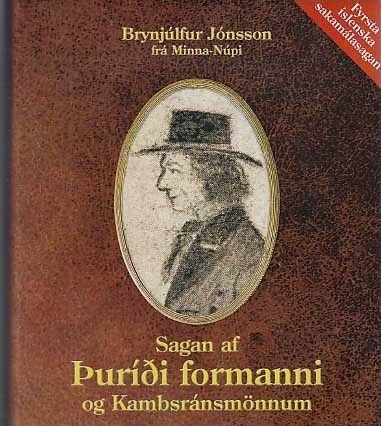
- Sagan af Þuríði formanni og Kambsránsmönnum by Brynjólfur Jónsson
Publication date: 1893
Publisher: Prentuð íFélagsprentsmiðjunni
Language: Icelandic
*Other version: 1941
Publisher: Eyrbekkingafélagið (Hardcover)
Language: Icelandic
Weight: 0.7kg
- Sagan af Þuríði formanni og Kambsránsmönnum
Published: 1954
Publisher: Menningar- og fræðslusamband alþýðu
Language: Icelandic
Pages: 300
Size: 15 × 3 × 22 cm
Weight: 0,520 kg
Additional info: www.forlagid.is, www.bokalind.is, www.grokipedia.com


Egill Jacobsen


George Steuart Mackenzie
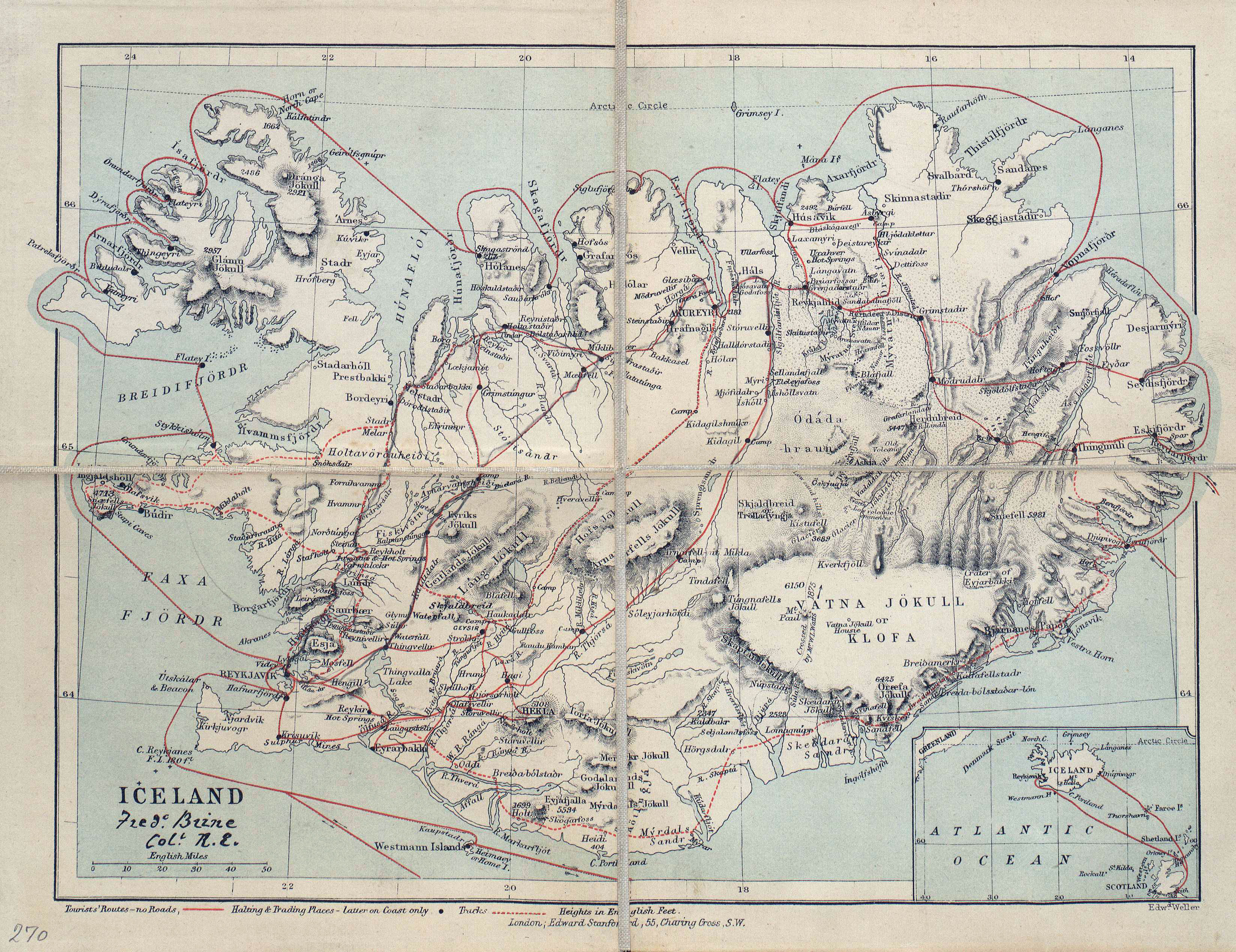
Southwest Coast of Iceland, also by George Steuart MacKenzie, 1811
Yves-Joseph de Kerguelen
Ilustrations: www.forlagid.is, www.torfbaeir.com, www.safnari.is, www.themaphouse.com, www.edition-originale.com