RECOMMENDED: Exemplary female scientists and artists series - midnight lecture 53 🎻♀️⚗️
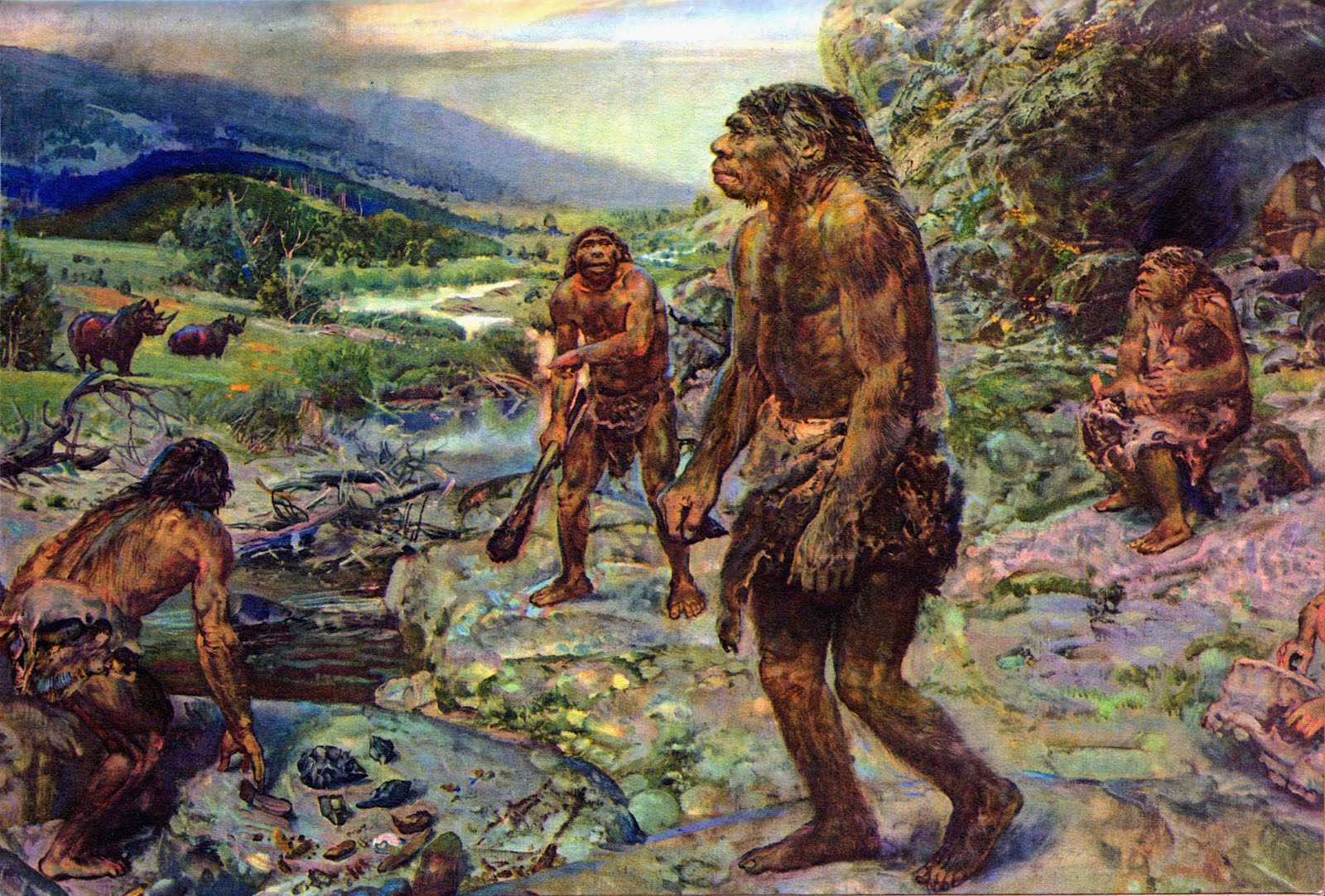
Today's topic: Scientist women behind the research of Neanderthals and human origins worldwide!
Homo neanderthalensis
Nickname: Neanderthal
Discovery Date: 1829
Where Lived: Europe and southwestern to central Asia
When Lived: About 400,000 - 40,000 years ago
Article: A look at the new discoveries that make Neanderthals more knowable now than ever (Dec 3, 2023)
https://www.history.com/articles/neanderthals
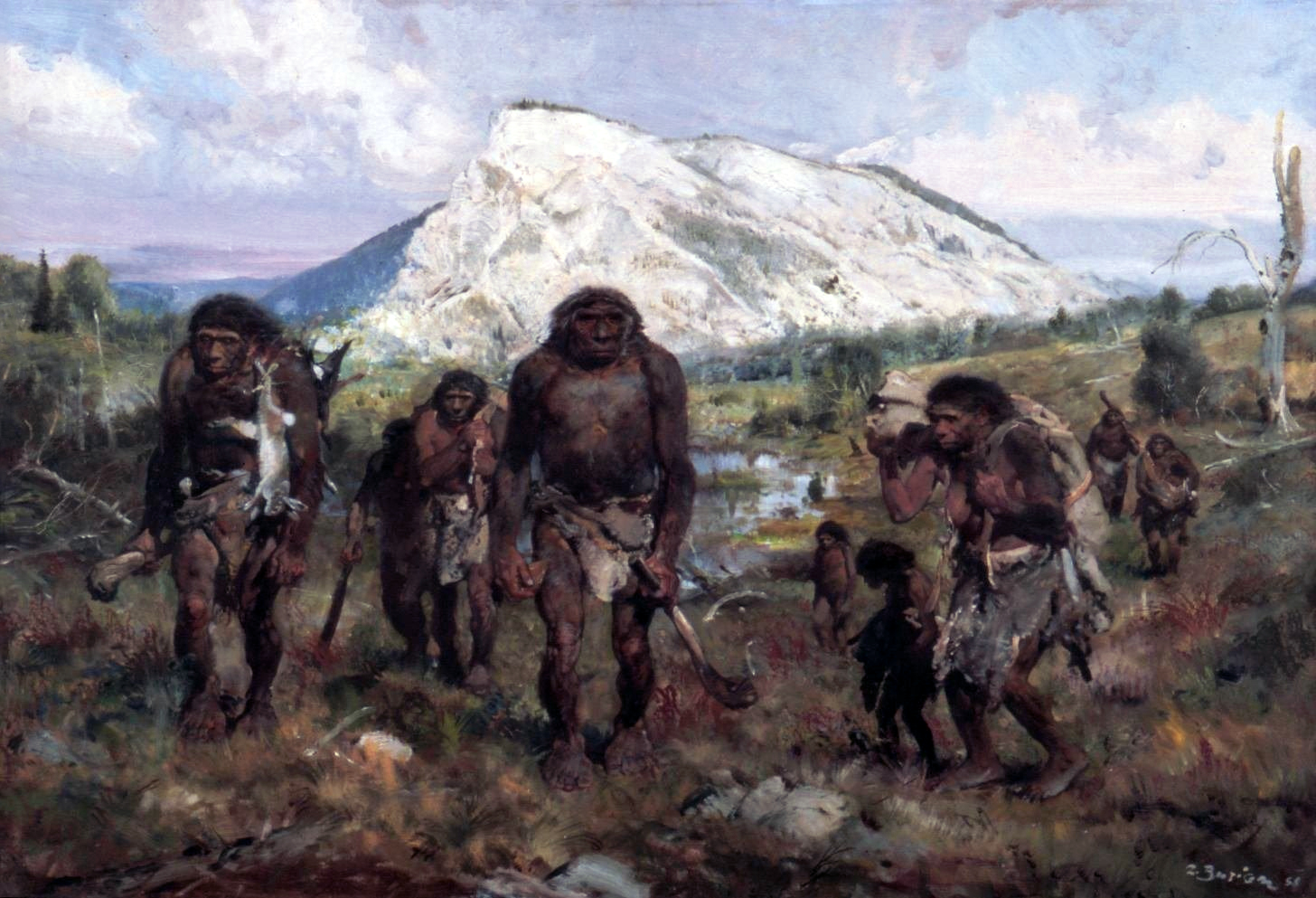
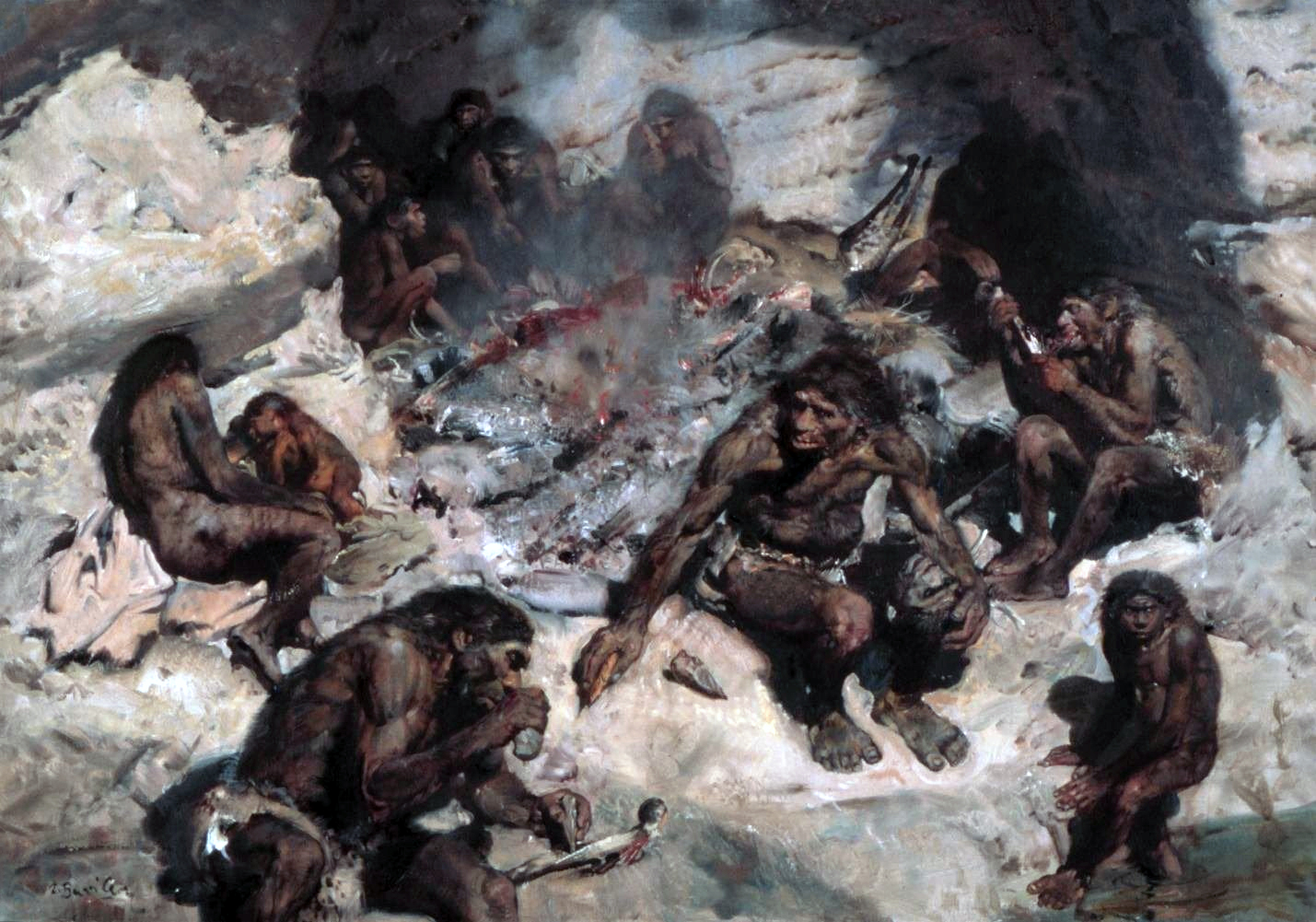
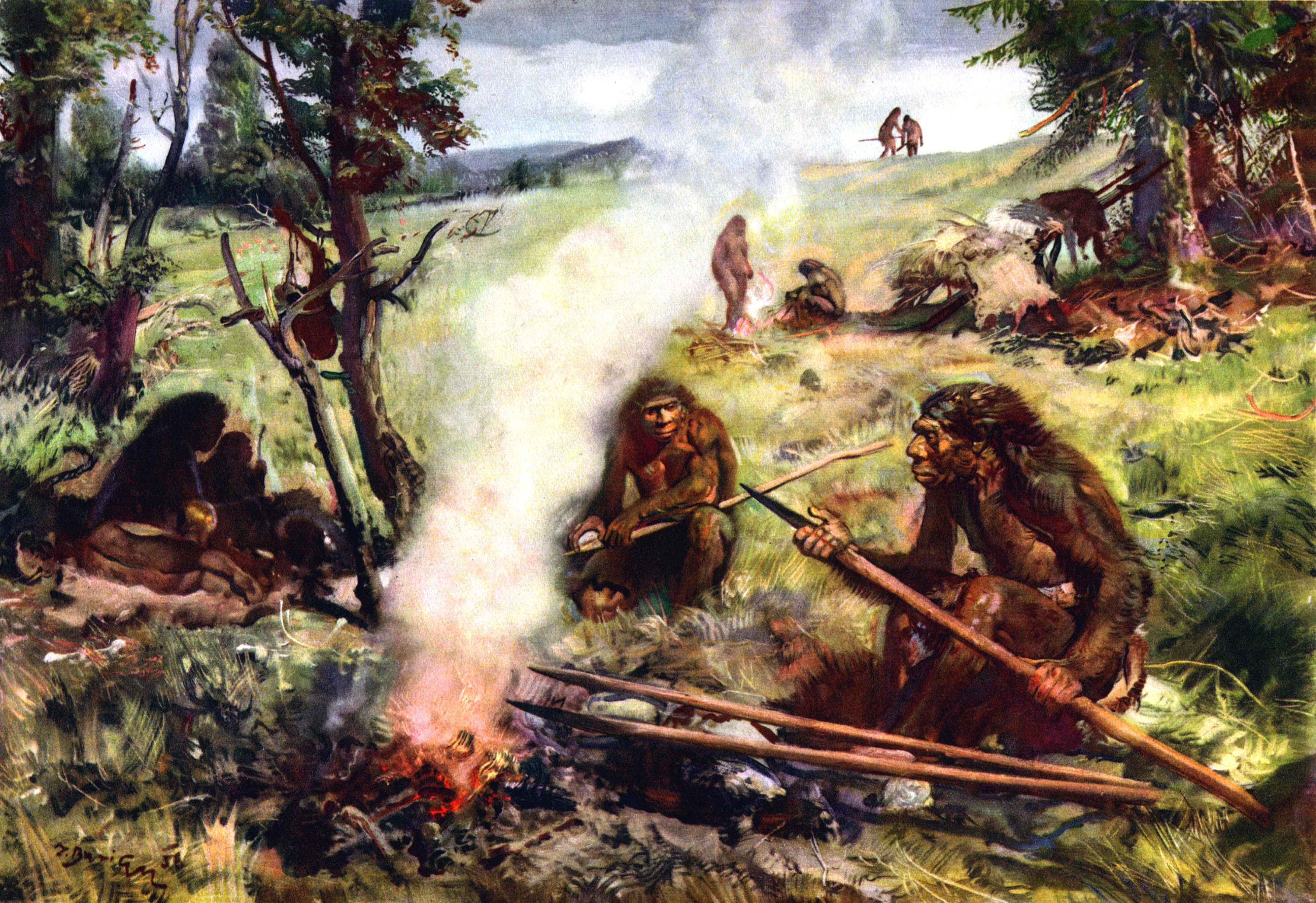
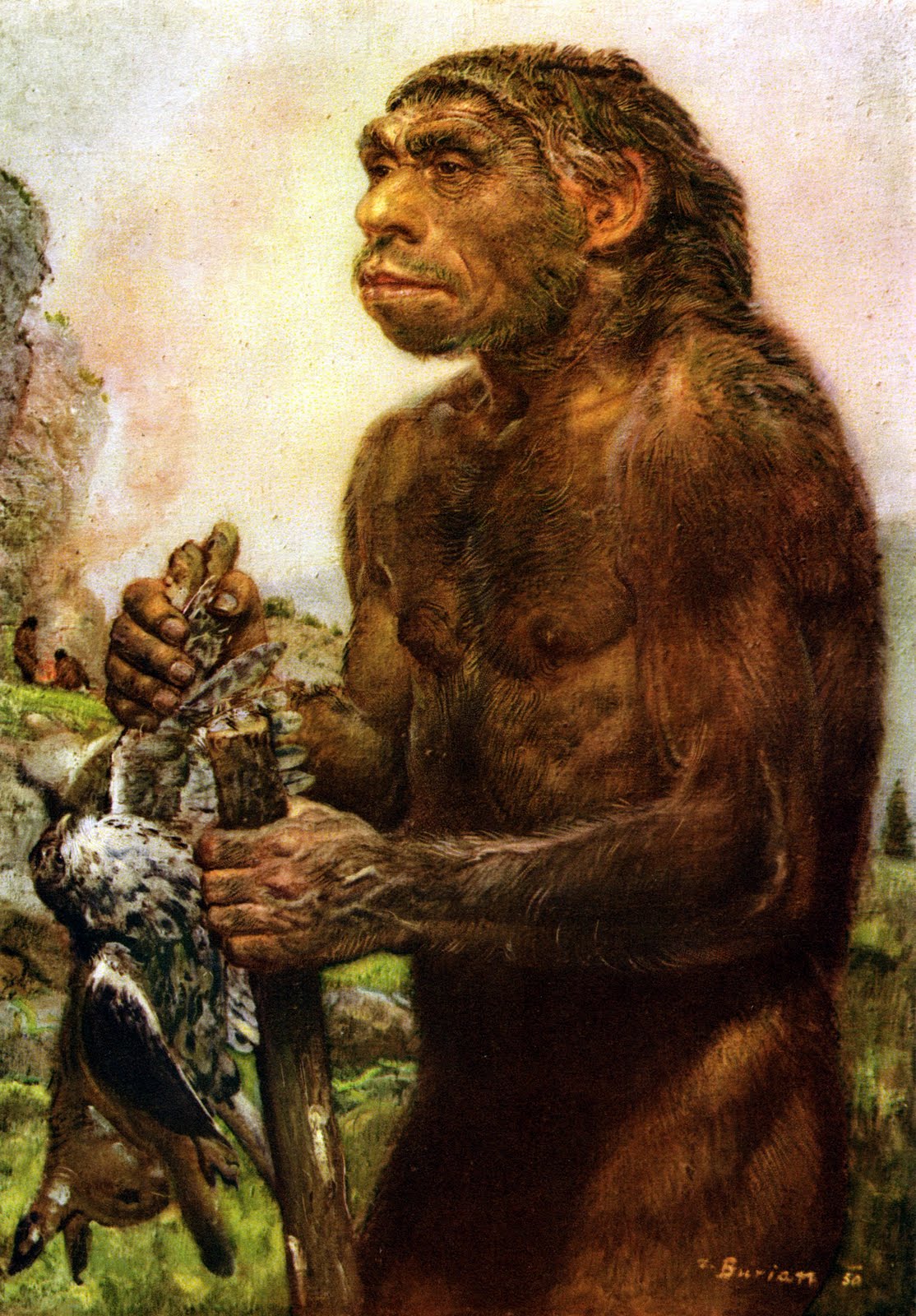
(illustrations by Zdeněk Burian)
Dr. Briana Pobiner
Dr. Pobiner is paleoanthropologist whose zooarchaeological and taphonomic research centers on meat-eating in the evolution of Stone Age human diets with a focus on the use of bone surface modifications including human butchery marks and predator tooth marks. She is a paleoanthropologist whose research centers on the evolution of human diets (with a focus on meat-eating), but has included topics as diverse as human cannibalism and chimpanzee carnivory. She has done fieldwork in Kenya, Tanzania, South Africa, and Indonesia and has been supported in her research by the Fulbright-Hays program, the Leakey Foundation, the National Geographic Society, the National Science Foundation, Rutgers University, the Society for American Archaeology, the Smithsonian Institution, and the Wenner-Gren Foundation. Her favorite field moments include falling asleep in a tent in the Serengeti in Tanzania while listening to the distant whoops of hyenas, watching a pride of lions eat a zebra carcass on the Kenyan equator, and discovering fossil bones that were last touched, butchered, and eaten by one of her 1.5-million-year-old ancestors. Since joining the Smithsonian in 2005 to help put together the Hall of Human Origins, in addition to continuing her active field, laboratory, and experimental research programs (which you can read more about on her research website), she leads the Human Origins Program’s education and outreach efforts which includes managing the Human Origins Program's public programs, website content, social media, and exhibition volunteer training. Briana has also more recently developed a research program in evolution education and science communication. She is the recipient of the 2024 National Association of Biology Teachers Evolution Education award, the 2021 American Association of Biological Anthropologists and Leakey Foundation Communication and Outreach Award in Honor of Camilla Smith, and a 2021 National Center for Science Education Friend of Darwin award.
Briana has a BA from Bryn Mawr College (1997), where she created her own major called Evolutionary Studies, and an MA (2002) and PhD (2007) in Anthropology from Rutgers University. Briana is also an Associate Research Professor of Anthropology in the Center for the Advanced Study of Human Paleobiology at the George Washington University.
Dr. Emma Pomeroy
As an Associate Professor in the Evolution of Health, Diet and Disease, she combines human bioarchaeology with human biology and palaeoanthropology. Dr. Pomeroy's research centres on understanding how past and present variation in human health, growth and morphology is influenced by evolutionary processes (e.g., adaptation, neutral variation, plasticity) and interactions with the natural and social environments.
As the Director of the Duckworth Laboratory in the Department of Archaeology, University of Cambridge, UK and since 2016 she has also been the paleoanthropologist at renewed excavations at Shanidar Cave, Iraqi Kurdistan. Shanidar Cave is one of the most famous Neanderthal sites. Leading excavation, conservation and analysis of the new hominin remains from Shanidar Cave, Iraqi Kurdistan, where recent discoveries of new skeletal remains (‘Shanidar Z’, and others) are offering new opportunities to understand Neanderthal behaviour at this iconic site.
After a BA in Archaeology and Anthropology at the University of Cambridge, Emma completed an MA in Osteoarchaeology (University of Southampton, UK), and a PhD in Biological Anthropology (Cambridge), interspersed with work in commercial archaeology and medical research. Following her PhD she held Postdoctoral positions at Cambridge and a lectureship at Liverpool John Moores University, before returning to Cambridge in 2019.
She completed her PhD in Biological Anthropology under the supervision of Dr Jay Stock (Cambridge) and Professor Jonathan Wells (UCL). In her thesis Pomeroy investigated adaptation to varying social and natural environmental conditions in past and present Andean populations.
Her most prominent fields: Osteoarchaeology / Paleoanthropology / Human Population Biology and Health / Human Evolution
Dr. Tina Lüdecke
Education: Goethe University, Frankfurt, Germany, Geosciences, Doctorate, 2016. Leibniz University, Hannover, Germany, Geosciences, Diploma, 2010.
Post-Doctoral Researcher at the Climate Geochemistry Department, Max-Planck Institute for Chemistry, Mainz, Germany. Post-Doctoral Researcher at Senckenberg Biodiversity and Climate Research Centre (SBiK-F), Frankfurt, Germany. DFG personal grant: Early Hominin Adaptation in the Southern East African Rift – Plio-Pleistocene African temperature, ecosystem and early hominin diet patterns across a woodland-grassland savanna boundary. Research group leader of the Emmy Noether Group for Hominin Meat Consumption (HoMeCo) at the Max-Planck Institute for Chemistry, Mainz, Germany. DFG Emmy Noether Fellowship: The Onset and Evolution of Early Hominin Meat Consumption – The position of Plio-Pleistocene hominins in African paleo-food webs based on nitrogen isotopes in tooth enamel.
She investigates early hominin diets and their ecological context, with a focus on the onset and evolution of meat consumption and the position of Plio-Pleistocene hominins in African paleo–food webs, using stable isotopes in tooth enamel. She also works on reconstructing Neogene paleolandscapes inhabited by early hominins, examining C4 grassland expansion in relation to changes in seasonality, precipitation, temperature, atmospheric pCO₂, and tree cover.
External PhD Committees:
2026 - Recognise Sambo, School of Geography, Archaeology and Environmental Studies, University of the Witwatersrand, South Africa
2024 - Danaé Guiserix, Laboratoire de Géologie de Lyon - Ecole Normale Supérieure de Lyon, France
Master’s Theses:
DFG Project LU 2199/1: Early hominin (plant-based) dietary adaptation in the southern East African Rift
The overarching goal of this project is to reconstruct (Plio-)Pleistocene paleotemperature, vegetation, precipitation and evaporation patterns of hominin localities in the southern part of the East African Rift (Karonga Basin, Malawi and Manyara Basin, Tanzania). I use hydrogen, carbon, oxygen and clumped isotopes on different proxies (fossil tooth enamel of fauna (including early hominins), pedogenic carbonate and modern meteoric waters), I then link these paleoecological patterns with the diet of early hominins Homo rudolfensis and Paranthropus boisei. Results are published in Lüdecke et al., 2018 (PNAS).
Dr. Katerina Douka
Associate Professor in the Department of Evolutionary Anthropology,Faculty of Lise Sciences of the University of Vienna, Austria. Her research involves radiocarbon dating, and have extensive experience in sample collection, development of new protocols for archaeological materials, and in the statistical interpretation of AMS results using Bayesian modelling. She is also interested in new biomolecular research fields, such as palaeoproteomics, and in particular ZooMS.
Douka obtained her BSc from the Technical University of Athens, Greece, and subsequently completed both MSc and DPhil degrees in Archaeological Science at the University of Oxford, U.K., between 2005 and 2011. From 2011 to 2017, she worked as postdoctoral researcher at Oxford on AHOB and PalaeoChron Projects. During this period, she held the William Golding Junior Research Fellowship at Brasenose College, as well as a Junior Fellowship at Linacre College. Between 2017-2021, she was a Group Leader at the Max Planck Institute for the Science of Human History (now Max Planck Institute for Geoanthropology), where she headed the ERC-funded “FINDER” project.
While the majority of her work focuses on Pleistocene and early Holocene-age sites from Eurasia, she has worked on sites from most corners of the planet, from northernmost Europe to South Africa, and from Siberia to Papua New Guinea.
Ella Al-Shamahi
Anthropologist, National Geographic Explorer, and stand-up comic. The paleoanthropologist, who presented the BBC documentary series Human in 2025. She holds a BSc in Genetics from University College London, an MSc in Taxonomy and Biodiversity from Imperial College London/Natural History Museum, and is currently pursuing a Ph.D. in Neanderthal rates of evolution at University College London.
Al-Shamahi specialises in the study of Neanderthals and is known for leading high-risk expeditions to remote, politically unstable regions in search of human origins. She has navigated hostile territories, including Iraq, Yemen, and Syria, to find Palaeolithic cave sites.
She has been extensively featured in publications like The Times, The Telegraph, and The Sun, and has contributed to programs such as BBC Radio 4’s Midweek and BBC World Service’s Outlook.
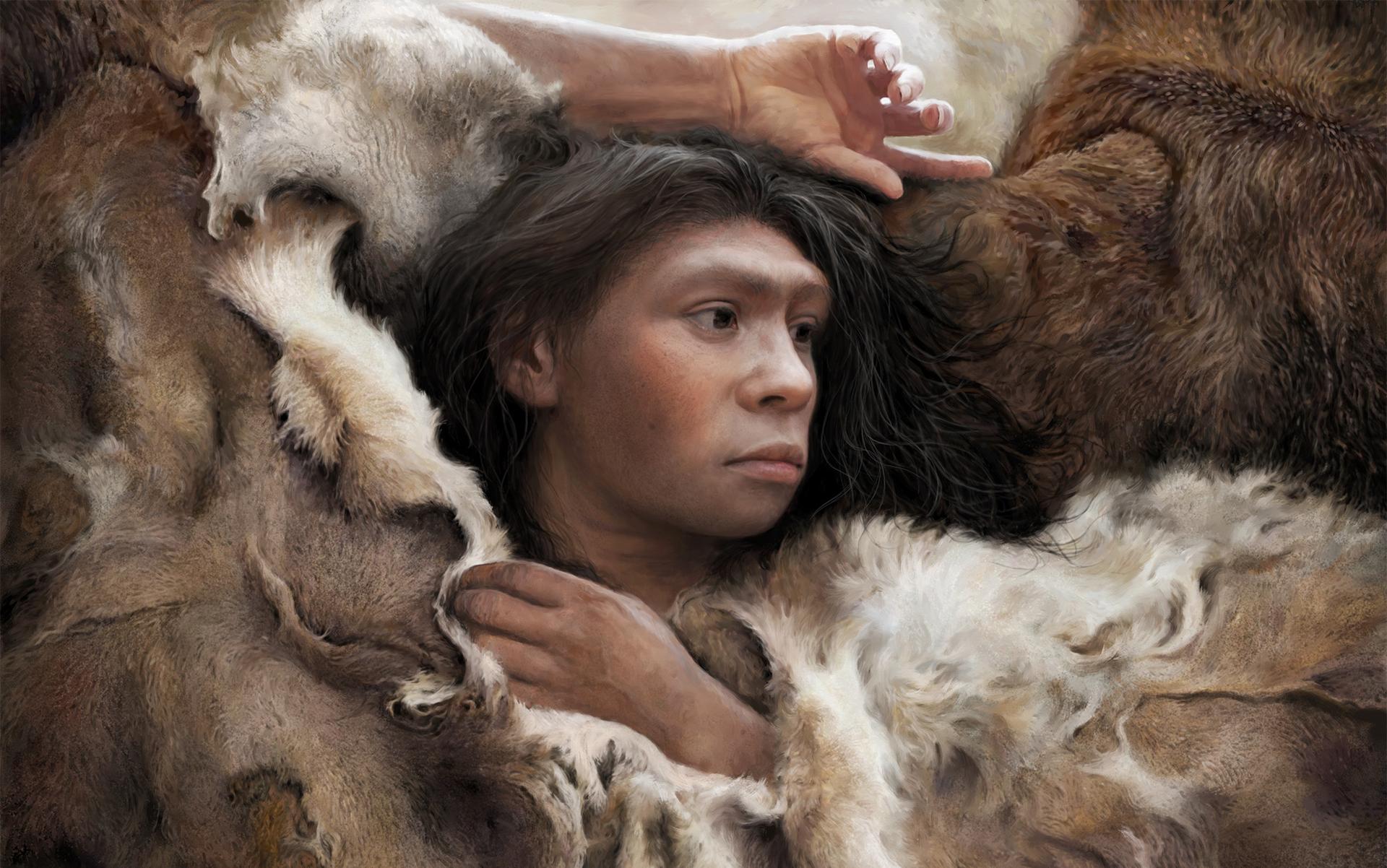
Rebecca Wragg Sykes
British Palaeolithic archaeologist, author and public scholar. Broadcaster, popular science writer and author who lives in Wales. She is an Honorary Research Associate and Honorary Fellow at the Universities of Cambridge and honorary fellow at the University of Liverpool, specialising in Neanderthals. She is co-founder of the Trowelblazers website, celebrating women archaeologists, palaeontologists and geologists through the ages, and the author of Kindred: Neanderthal Life (2020).
Her particular academic expertise is in the Palaeolithic, Neanderthals and lithic technology, and between 2013–2015 she held a Marie Curie Intra-European Fellowship at PACEA (University of Bordeaux). She also has interests in gender archaeology, women in prehistory and the history of archaeology, in particular the role of women within the discipline and Earth Sciences.
Rebecca Wragg Sykes is interested in the Middle Palaeolithic, specifically in the lives of Neanderthals; and she is one of the founders of TrowelBlazers, a website set up to celebrate the lives of women in archaeology, palaeontology and geology. Her broader work was recognised with the Royal Anthropological Institute's 2022 Public Anthropology Award, the 2022 President's Award from the Prehistoric Society, and the 2024 Darwin Day Medal from Humanists UK.
She maintains an affiliation with the School of Archaeology, Classics and Egyptology, University of Liverpool, and in particular collaborates with Dr Peter Hommel on projects relating prehistoric materiality with public outreach.
Article: Sheanderthal: Not all Neanderthals were ‘cavemen’: half were women. What can archaeologists tell us about how they lived? (12 January 2021)
Sabrina Curran
Curran is an expert in paleoanthropology, human evolution and biological anthropology. Her researchfocuses on reconstructing the environments that our ancestors lived in and assessing how sites are formed. She is particularly interested in the earliest dispersals of Homo erectus into Eurasia and is the co-PI of a research project in south-central Romania (Oltet River Valley) and has worked on sites in Ethiopia, Kenya, Tanzania, and Georgia (the country).
College of Arts and Sciences Ohio Center for Ecology and Evolutionary Studies (OCEES): Sociology and Anthropology.
College of Arts and Sciences. Ph.D., University of Minnesota, 2009. B.A., Arizona State University, 2001.
Areas of Expertise: Paleoanthropology/Human evolution / Biological Anthropology / Paleoecology
Research & Specialization: Biological Anthropology / Paleoanthropology / Paleoecology / Ecomorphology / Shape Analysis / Taphonomy / Artiodactyla
- Eastern Europe (Romania)
- Eastern Africa (Tanzania, Kenya, Ethiopia)
Courses Taught: ANTH 2010: Introduction to Biological Anthropology / ANTH 3730: Perspectives in Anthropology (Human Variation, Controversies in Human Evolution) / ANTH 4960: Human Diversity / ANTH 4730: Human Evolution / ANTH 4740: Zooarchaeology / ANTH 4940: Seminar in Biological Anthropology (Research Methods)
Melanie Beasley
Melanie Beasley received her B.S. in Anthropology from University of California, Davis (2003), M.A. in Anthropology from California State University, Chico (2008), and Ph.D. in Anthropology from the University of California, San Diego (2016). From 2017-2019, she was a Haslam Postdoctoral Fellow at the University of Tennessee, Knoxville conducting research at the Forensic Anthropology Center. Dr. Beasley joined Purdue University as an Assistant Professor in Fall 2019.
Specialization: Biological anthropology, human-environment interactions, stable isotope ecology, paleoanthropology, human evolution, bioarchaeology, prehistoric diet and health, forensic anthropology, stable isotope forensics for predicting region-of-origin.
Dr. Beasley’s work focuses broadly on human-environment interactions throughout the hominin lineage when the environment is influencing our evolutionary history, in the Holocene when humans are influencing the availability of prey resources, and in modern forensic contexts when the environment imprints meaningful geolocation information in biological tissues. She uses stable isotope geochemistry to connect humans and the environment they live in to understand changing climate, resource availability, and life history. The use of stable isotope geochemistry and the big data generated by such an analytical method in anthropology has only scratched the surface of what it can offer to the discipline and its contributions to humanity’s grand challenges. Through her scholarship, she sees the Anthropology of Tomorrow as an interdisciplinary blending of the social and natural sciences in an applied approach that makes anthropology relevant to living communities. Dr. Beasley is interested in science communication to engage with the public about anthropology.
At Purdue University, Dr. Beasley directs the Bioanth Isotope Ecology Research Laboratory (BIER Lab). Please contact her via email if you are interested in working in the lab as an undergraduate or for enquiries about graduate student training.
Dr. Sarah A. Tishkoff
David and Lyn Silfen University Professor - Departments of Genetics and BiologySarah Tishkoff is the David and Lyn Silfen University Professor in Genetics and Biology at the University of Pennsylvania, holding appointments in the Perelman School of Medicine and the School of Arts and Sciences. She is also the Director of the Penn Center for Global Genomics & Health Equity in the Perelman School of Medicine.
Dr. Tishkoff studies genomic and phenotypic variation in ethnically diverse Africans. Her research combines field work, laboratory research, and computational methods to examine African population history, the genetic basis of anthropometric, cardiovascular, metabolic, and immune related traits, and how humans have adapted to diverse environments and diets. She plays an active role as an advocate for the inclusion of global populations in human genetics and genomics research.
Info:
www.bbc.com, www.explorers.nationalgeographic.org, www.speakerseries.ne, www.arch.cam.ac.uk, www.humanorigins.si.edu, www.smithsonianmag.com, www.ohio.edu, www.webcmsqa.ohio.edu, www.mpic.de, www.med.upenn.edu, www.senckenberg.de, www.aeon.co, www.rebeccawraggsykes.com, www.sci.news, www.katerinadouka.com, www.anthropology.uiowa.ed

Further links regarding the topic:
https://www.bbc.co.uk/mediacentre/mediapacks/humans
https://www.pbs.org/newshour/science/a-look-at-the-new-discoveries-that-make-neanderthals-more-knowable-now-than-ever
https://www.scientificamerican.com/article/male-neanderthals-and-human-females-likely-interbred-more-often-than-the/
https://www.physoc.org/magazine-articles/what-can-neanderthal-dna-teach-us-about-current-humans/
https://www.thejournal.ie/cave-art-neanderthals-3868191-Feb2018/
https://www.wired.com/2012/06/neanderthal-cave-paintings/
https://scitechdaily.com/new-fossil-evidence-challenges-long-held-beliefs-about-neanderthal-origins/
https://www.smithsonianmag.com/smart-news/neanderthals-used-spears-hunt-targets-afar-180971357/
https://www.dailystar.co.uk/news/world-news/neanderthal-woman-75000-years-ago-32718744
https://www.newscientist.com/article/2523132-neanderthal-infants-were-enormous-compared-with-modern-humans/
https://www.newscientist.com/article/2504597-neanderthals-hefty-noses-werent-well-adapted-to-cold-climates/
https://studyfinds.com/ancient-dna-suggests-neanderthals-and-humans-kissed/
Illustrations: www.cdn.sci.news, www.aeon.co, www.neat-stuff-blog.blogspot.com, www.proistoria.org